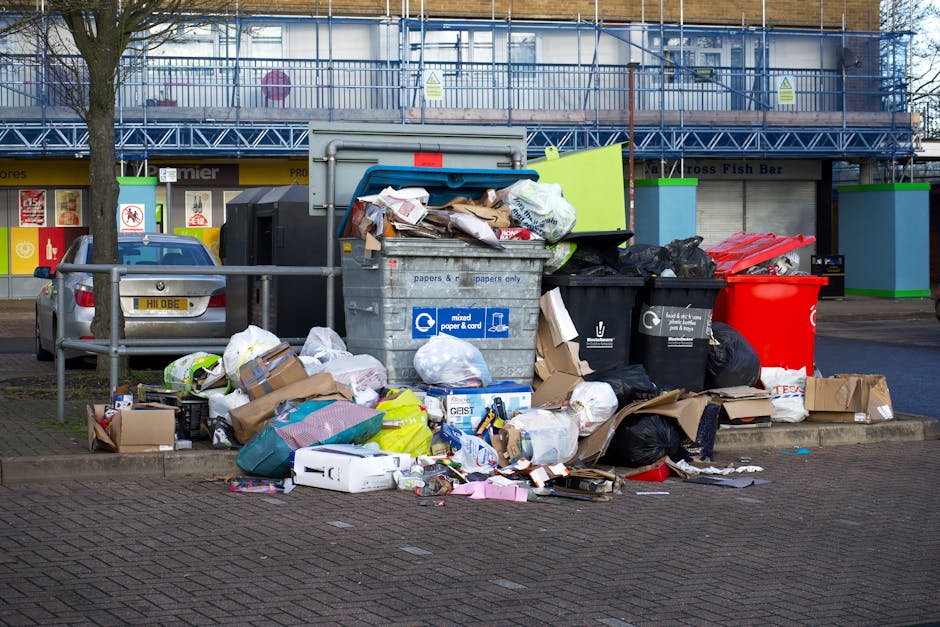
Plaistow House Rubbish Removal Guide for High Street Homes
If you live on or near High Street in Plaistow, rubbish removal can feel oddly more complicated than it should. There's the usual household clutter, of course, but there's also narrow access, awkward parking, shared entrances, neighbours coming and going, and that ever-present question: where does it all go without turning the day into a mess? This guide to Plaistow house rubbish removal guide for High Street homes is designed to make the whole thing clearer, calmer, and much more manageable.
Whether you're clearing a single room, dealing with furniture that no longer fits your space, or facing a full house clearance after a move, the best approach is usually the one that saves time while still being careful, legal, and tidy. Let's walk through how it works, what to watch for, and how to choose the right service for a High Street property.
Table of Contents
- Why this matters on High Street
- How the process works
- Key benefits and practical advantages
- Who this is for
- Step-by-step guidance
- Expert tips for better results
- Common mistakes to avoid
- Tools, resources and recommendations
- Law, compliance, standards and best practice
- Options and comparison table
- Case study or real-world example
- Practical checklist
- Conclusion
- Frequently asked questions
Why Plaistow house rubbish removal guide for High Street homes Matters
High Street homes tend to run on tighter margins. Less space. More foot traffic. Fewer easy drop-off spots. If you've ever tried to move a broken wardrobe through a hallway while someone's waiting for the lift or a neighbour's car is blocking the kerb, you'll know the feeling. It's not dramatic, just annoying enough to eat an afternoon.
That's why rubbish removal in this part of Plaistow is about more than simply "taking stuff away". It's about planning the movement, protecting the property, keeping access open, and avoiding the kind of half-finished pile that sits by the front door until everyone gets fed up with it.
It also matters because different waste types need different handling. Old furniture, garden waste, builders' debris, broken appliances, and general household clutter are all a bit different in practice. Some items can be reused, some should be recycled, and some need careful disposal. A sensible clearance plan helps you avoid guesswork, which, to be fair, is where mistakes usually start.
If you want a broader view of related services, it can help to look at house clearance support, home clearance options, and general waste removal services so you can match the service to the job rather than forcing everything into one bucket.
How Plaistow house rubbish removal guide for High Street homes Works
In practical terms, rubbish removal for a High Street home usually follows a simple flow. A good provider will first understand what needs clearing, how much there is, and whether access will be easy or awkward. That includes stairs, basement rooms, loft access, shared hallways, and parking limitations. Sounds obvious, but this first conversation often saves the most time.
Next comes scheduling. For busy streets, timing matters. Early collection can reduce disruption, and a slightly off-peak slot can make loading easier. If you're on a road where cars come and go constantly, a short collection window may be better than an all-day wait. Nobody enjoys watching a van parked in just the wrong place.
On the day, the team normally sorts items by category, lifts out reusable or recyclable materials where possible, and removes the waste in a planned way. With the right approach, you should not be left carrying bags outside yourself or trying to guess what goes in the van. The aim is neatness and efficiency, not a second job for the homeowner.
For properties with specific clearance needs, the surrounding service pages can be useful too. For example, flats often need different handling than houses, so flat clearance services may be a better fit for certain High Street homes with upper floors or shared access. If you're dealing with worn-out seating, cupboards, or beds, furniture clearance or furniture disposal may be the most practical route.
Key Benefits and Practical Advantages
The biggest benefit is simplicity. Instead of spending a weekend hiring a vehicle, lifting heavy items, and making multiple trips, you can clear a property in one go or at least in one planned visit. That alone is worth a lot when you've got work, family, or other commitments piling up.
There's also the matter of safety. Heavy sofas, sharp broken furniture, damp cardboard, and loose rubble are exactly the sort of thing that can lead to bruised shins or a strained back if you rush. A decent rubbish removal service reduces the manual load on you. Let's face it, most people are not equipped to shift a freezer down a narrow stairwell at speed.
Another advantage is better use of space. High Street homes can feel cramped very quickly, especially if you are storing "temporary" items in a spare room or hallway. Once the rubbish goes, the whole property often feels lighter. That's not just sentimental; it makes cleaning, decorating, and staging for sale much easier.
There can also be a sustainability benefit if items are sorted sensibly. Usable furniture may be separated from waste. Garden clippings may be handled differently from mixed household rubbish. For readers who care about responsible disposal, it's worth reviewing a company's recycling and sustainability approach before booking.
Expert summary: The best rubbish removal outcome is rarely the cheapest-looking option on paper. It is usually the one that saves time, reduces hassle, protects the property, and handles waste properly the first time.
Who This Is For and When It Makes Sense
This guide is useful if you live in a terrace, maisonette, converted building, or traditional High Street home where access is a bit tight and the rubbish is more than a council-bin job. It's also helpful if you're clearing up after tenants, refreshing a property for sale, or trying to reclaim a room that has quietly become the family dumping ground. We've all seen one of those rooms.
It makes sense when:
- you have bulky items that won't fit in standard bins
- you want clutter removed quickly and tidily
- you need help with lifting, carrying, or loading
- you're dealing with mixed waste from a house project
- you want a more responsible disposal route than a random skip on the street
There's a difference between "a few black bags" and a full clearance job. If you're just tackling one corner of the loft or a small garage load, the job may be straightforward. But if the house has been accumulating items for years, a more structured plan is usually the better call. In that situation, related services like loft clearance or garage clearance can be more appropriate than a general sweep.
High Street homes can also include live-work situations, front rooms used for small business storage, or family properties with an office area tucked away upstairs. If that sounds familiar, you may need something a little broader, such as office clearance or business waste removal depending on the contents.
Step-by-Step Guidance
- Walk through the property slowly. Start with the obvious items, then check cupboards, under-stairs spaces, the loft, shed corners, and the odd pile you've been ignoring for months. Be honest about what's staying and what's going.
- Sort waste into simple groups. Keep furniture, general rubbish, electrical items, garden waste, and construction debris separate if you can. Even a rough sort helps the job go smoother.
- Check access before collection day. Measure stairwells, think about parking, and note any low railings, tight corners, or shared doorways. A five-minute check can prevent a very annoying morning.
- Decide what must be removed first. If the room is packed, clear the heaviest and most awkward pieces early. Once the bulky stuff is out, everything else feels easier.
- Ask for a quote with clear detail. The more accurate the description, the less likely you are to be surprised later. Mention approximate volume, item types, access issues, and whether lifting is needed.
- Prepare the route out of the house. Move fragile items, open doors if needed, and free up hallways. It sounds small, but the difference is noticeable.
- Confirm how disposal will be handled. If you care about recycling, reuse, or safe disposal, ask how mixed waste is separated and where reusable items go.
- Do a final sweep before the team arrives. Keep keys handy, clear pets away from the route, and make sure anything you are keeping is safely marked or separated.
A tiny bit of prep goes a long way. On a busy Plaistow street, the smooth jobs are nearly always the ones where the homeowner spent ten minutes getting organised beforehand. Funny how that works.
Expert Tips for Better Results
One of the best things you can do is take photos before booking. Nothing fancy. Just a few clear pictures of rooms, staircases, and problem items. This gives a clearer sense of volume than a verbal description ever will. "A lot of stuff" means very different things to different people.
Second, don't wait until the pile becomes a blockage. When rubbish begins to affect how you move around the house, it's time to act. If you are stepping sideways around bags or balancing boxes on the landing, the clearance is already overdue.
Third, think in terms of priority rather than perfection. You do not need to clear every single shelf in one day unless there's a hard deadline. Sometimes the most sensible approach is to start with the largest items, then return for the smaller layers later. A calm two-stage plan is often better than a chaotic all-at-once push.
Finally, if any item might still be reusable, separate it early. Furniture with life left in it, for example, may be better handled through a focused furniture disposal or clearance route rather than being mixed in with general rubbish. That small decision can make the process cleaner and more responsible.
Little practical truth: the fewer surprises on collection day, the better the whole job feels. That includes the awkward lamp in the corner that somehow stayed in the house for three years. You know the one.
Common Mistakes to Avoid
The biggest mistake is underestimating volume. One room can look manageable until you start lifting, stacking, and bagging. Then suddenly it's not. High Street homes especially tend to hide more waste than people expect because storage is compressed into small spaces.
Another frequent error is ignoring access. If a large item can't turn the stairwell corner or fit through the hallway without scraping the paintwork, it becomes a different job altogether. Good planning avoids damage to walls, bannisters, and flooring.
People also sometimes mix everything together without thinking about what is recyclable, reusable, or specialist waste. That's not ideal. It can make collection slower and, depending on the waste type, create complications later.
A few more to avoid:
- leaving bags outside without checking weather or timing
- forgetting to tell the provider about parking limits
- assuming all furniture can be lifted as one piece
- not separating items you still want to keep
- booking too late when you have a tight move-out deadline
And here's the subtle one: trying to do too much yourself before help arrives. If you strip everything into tiny piles but make the route harder to navigate, you can actually slow the job down. Keep it practical, not ceremonial.
Tools, Resources and Recommendations
You do not need specialist equipment for a normal household clearance, but a few simple tools help. Strong bin bags, gloves, tape, a marker pen, and a torch are all useful. For lofts and darker storage spaces, a decent light makes a bigger difference than people expect. Half the battle is seeing what you're dealing with.
For larger clearances, have a tape measure to hand. It helps with furniture dimensions, stair widths, and awkward objects that may need to be dismantled. If a wardrobe or bed frame is going out, taking it apart first can save time and prevent damage. Sometimes. Not always, but enough to be worth considering.
Useful home-service pages to review before booking include house clearance for full-property jobs, home clearance for mixed domestic items, and garden clearance if the pile includes branches, soil bags, pots, or old outdoor furniture.
If your project includes rubble, timber offcuts, or renovation debris, then builders' waste clearance may be a better match than a standard house rubbish collection. Different material, different job.
Law, Compliance, Standards, or Best Practice
For household rubbish removal in the UK, the safest rule is simple: make sure waste is handled by a reputable provider and disposed of responsibly. Household waste can include a mix of general rubbish, furniture, electricals, and items that need special care. You should always avoid handing waste to anyone who cannot clearly explain how it will be removed and managed.
Best practice also means keeping records when needed. If you are clearing a property as part of a rental handover, estate matter, or business-related move, it helps to keep a brief note of what was removed, when it was done, and who handled it. That's not overkill; it's just tidy administration.
For customer confidence, sensible providers usually present clear terms, payment information, safety expectations, and complaints processes. You can review things like terms and conditions, payment and security information, and the company's insurance and safety approach before you commit.
It is also fair to expect reasonable care around access, lifting, and property protection. That means mindful handling of walls, stair rails, shared entrances, and nearby vehicles. If anything feels vague, ask for clarity before the job starts. Good service is usually straightforward about what happens next.
Options, Methods, or Comparison Table
There are a few ways to clear rubbish from a High Street home, and the right choice depends on how much there is, how fast you need it gone, and how much lifting you want to do yourself.
| Method | Best for | Pros | Watch-outs |
|---|---|---|---|
| Self-clearance | Small amounts of light waste | Can be cheap if you already have transport | Time-consuming, physically tiring, multiple trips |
| Skip hire | Ongoing renovation or large mixed waste | Useful for gradual filling | Space needed, permits may be an issue, loading is on you |
| Man and van removal | Bulky items and quick clear-outs | Fast, flexible, less lifting for you | Needs clear access and accurate load estimates |
| Full house clearance | Whole-property or major decluttering jobs | Most comprehensive, least stressful | May require a bit more planning upfront |
For most High Street homes, the sweet spot is often a hands-on removal service that can manage access and lifting without the cost or inconvenience of a skip sitting outside for days. Still, if you are clearing a renovation project or a property with mixed waste, the right answer can change quickly.
The key is to match the method to the real job, not the job you wish you had.
Case Study or Real-World Example
A typical Plaistow High Street scenario might look like this: a family has lived in the same house for years, and the spare room has slowly become storage for old furniture, cardboard, broken toys, and a few mystery bags no one wants to open. Nothing dramatic. Just a room that quietly stopped being useful.
They start by pulling out the obvious items and taking a few photos. The stairwell is narrow, and the front pavement is busy in the mornings, so they choose a collection window that avoids peak traffic. They separate one usable armchair from the rest of the waste, keep a couple of items back for donation or reuse, and mark everything else clearly.
On collection day, the route is already clear, pets are kept in another room, and the hallway isn't blocked. The whole thing takes far less time than expected because the sorting was done beforehand. Not perfect, not glamorous, just sensible. And honestly, that's usually what works best.
By the end, the room can be used again. A spare bedroom becomes a spare bedroom again. Funny how satisfying that is.
Practical Checklist
- Identify every item you want removed
- Separate furniture, general rubbish, and special waste
- Check access, stairs, and parking before booking
- Take photos if the job is large or awkward
- Confirm whether lifting and loading are included
- Keep valuables, documents, and keepsakes aside
- Make sure the route to the door is clear
- Review pricing, terms, and payment details
- Ask how recyclable or reusable items are handled
- Prepare pets, neighbours, or household members for the visit
If you want to compare a few service types before making a decision, it can be helpful to review pricing and quote information alongside the relevant service pages. That usually gives a much better picture than guessing from memory on a busy evening.
Conclusion
For High Street homes in Plaistow, rubbish removal works best when it is planned with access, timing, and waste type in mind. The process does not need to be complicated, but it does reward good organisation and a steady, practical approach. Clear the right things, choose the right service, and keep the route simple. That's the formula.
Whether you are tackling a small room, a full house, or a mix of furniture, general clutter, and heavier items, the goal is the same: make the property feel usable again without adding stress to your week. A little preparation now saves a lot of effort later, and usually a lot of frustration too.
Get a free quote today and see how much you can save.
And if you are still weighing things up, that's fine. A good clearance job should feel like a relief, not a gamble. Take the next step only when it feels right.
Frequently Asked Questions
What is the best way to remove rubbish from a High Street house in Plaistow?
The best method usually depends on volume, access, and how quickly you need the space cleared. For most High Street homes, a direct rubbish removal service or house clearance is more practical than trying to do everything yourself.
Can rubbish removal services handle bulky furniture?
Yes, many can. Sofas, beds, wardrobes, tables, and similar items are common in domestic clearances. If the items are particularly large or awkward, mention that early so the team can plan the lift and route properly.
How do I prepare a High Street home for rubbish removal?
Start by sorting the waste, clearing access paths, and checking parking or stair access. Put aside valuables, documents, and anything you want to keep. A bit of prep makes the whole job faster and cleaner.
Is rubbish removal better than hiring a skip?
It depends on the job. If you want someone to load and remove everything for you, rubbish removal is usually easier. If you have ongoing renovation waste and enough space for a skip, that can work too. Different jobs, different tools.
What kinds of items are usually removed from house clearances?
Typical items include general household clutter, furniture, bags of rubbish, appliances, loft contents, garage items, and sometimes garden waste or renovation debris. Mixed loads are common, especially in older homes.
Do I need to sort my waste before collection?
You do not always have to sort everything perfectly, but separating furniture, general rubbish, and special waste helps a lot. It can speed things up and may make the clearance more efficient.
What if my High Street property has limited parking?
That is common, so mention it during booking. A good provider will usually want to know about parking restrictions, narrow access, or busy traffic so the collection can be planned properly.
Can one service handle loft, garage, and garden rubbish together?
Often yes, if the waste types are suitable and the access is manageable. For larger jobs, services like loft clearance, garage clearance, and garden clearance may be combined into one broader home clearance.
How do I know if a clearance company is trustworthy?
Look for clear service descriptions, transparent pricing, sensible terms, and visible safety and insurance information. Trustworthy providers should be willing to answer questions plainly rather than dodging the details.
Can rubbish removal help with end-of-tenancy or sale preparation?
Absolutely. Clearing out unwanted items before a tenancy handover or property sale can make the place easier to clean, photograph, and present. It also reduces last-minute stress, which is usually the bigger win.
What should I do with items that might still be reusable?
Set them aside before the clearance begins. Furniture or household items with remaining life may be better handled separately through furniture disposal or a more reuse-minded approach. It is usually worth the small extra step.
How far in advance should I book rubbish removal?
If you have a deadline, book as early as you reasonably can. For urgent jobs, same-week slots may be available, but the best timing often goes quickly on busy streets and at peak moving periods.
Is it safe to leave rubbish outside my house before collection?
Sometimes yes, but only if it is secure, weather-protected, and placed where it will not obstruct neighbours or passers-by. On busy High Street properties, it is usually better to keep items inside until collection time if possible.
Where can I learn more about the company and its service approach?
You can review the company's about us page for background, or use the contact page if you want to ask about a specific clearance. For policy details, the site also provides information on health and safety and complaints handling.